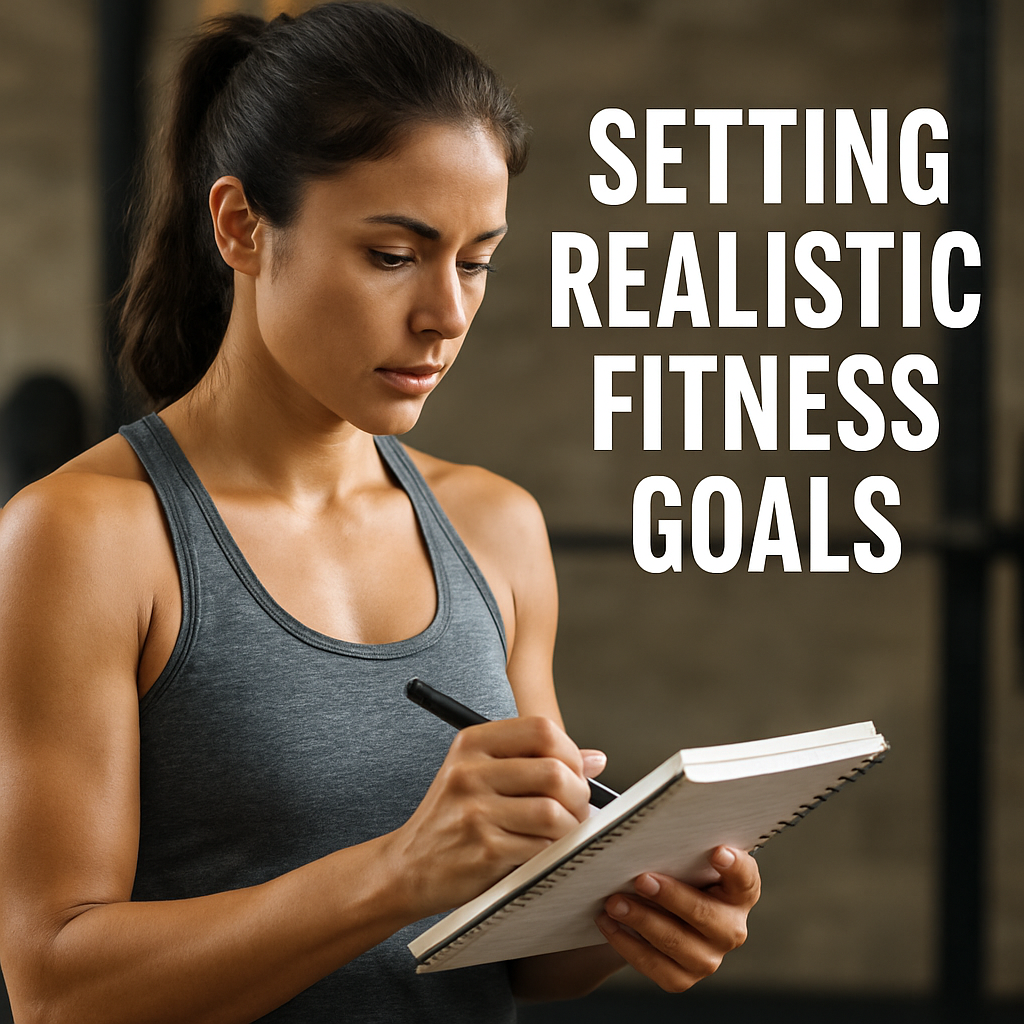
Setting Realistic Fitness Goals
Embarking on a fitness journey can be an exciting yet daunting task. One of the most crucial aspects of achieving success in any fitness regime is setting realistic goals. Goals provide direction, motivation, and a benchmark for progress. However, when goals are unrealistic, they can lead to frustration, burnout, and, ultimately, abandonment of the fitness journey.
Understanding Your Starting Point
Before setting goals, it’s essential to understand where you currently stand in terms of fitness. Assess your current physical condition, including your strength, endurance, flexibility, and body composition. This self-assessment will help you create meaningful and achievable goals based on your starting point.
SMART Goals
One effective method for setting realistic fitness goals is the SMART criteria. SMART stands for Specific, Measurable, Achievable, Relevant, and Time-bound. By ensuring your goals meet these criteria, you increase the likelihood of success. For example, rather than setting a vague goal like "get fit," aim for "run a 5K in under 30 minutes within three months." This goal is specific, measurable, achievable, relevant to your interests, and time-bound.
Focus on Process, Not Just Outcomes
While it’s important to have outcome-based goals, such as losing a specific number of pounds or lifting a certain weight, focusing on the process can be more beneficial. Process goals emphasize the actions you need to take to achieve your desired outcomes. For instance, commit to working out three times a week or drinking enough water daily. These goals are easier to control and can keep you motivated even if the outcomes take longer to materialize.
Celebrate Small Wins
Celebrating small accomplishments along the way can significantly boost your motivation. Each step you take towards your larger goal is an achievement worth recognizing. Whether it’s completing a workout, increasing your weights, or sticking to your nutrition plan, celebrating these small victories can help maintain momentum and keep you engaged in your fitness journey.
Be Flexible and Adjust as Needed
Life is unpredictable, and sometimes your fitness goals may need to be adjusted. If you find that you’re consistently missing your targets or if your circumstances change, it’s okay to reassess and modify your goals. Flexibility is key in maintaining a healthy relationship with fitness and ensuring that your goals remain realistic and achievable.
Seek Support and Accountability
Sharing your goals with friends, family, or a fitness community can enhance your commitment and accountability. Surrounding yourself with supportive individuals can provide encouragement, advice, and motivation. Consider finding a workout buddy or joining a fitness group to foster an environment of support and camaraderie.
Conclusion
Setting realistic fitness goals is a vital step in your journey towards a healthier lifestyle. By understanding your starting point, utilizing the SMART criteria, focusing on process goals, celebrating small wins, remaining flexible, and seeking support, you can create a sustainable fitness plan that motivates you and leads to long-term success. Remember, fitness is a journey, not a destination, so enjoy the process and stay committed to your goals!