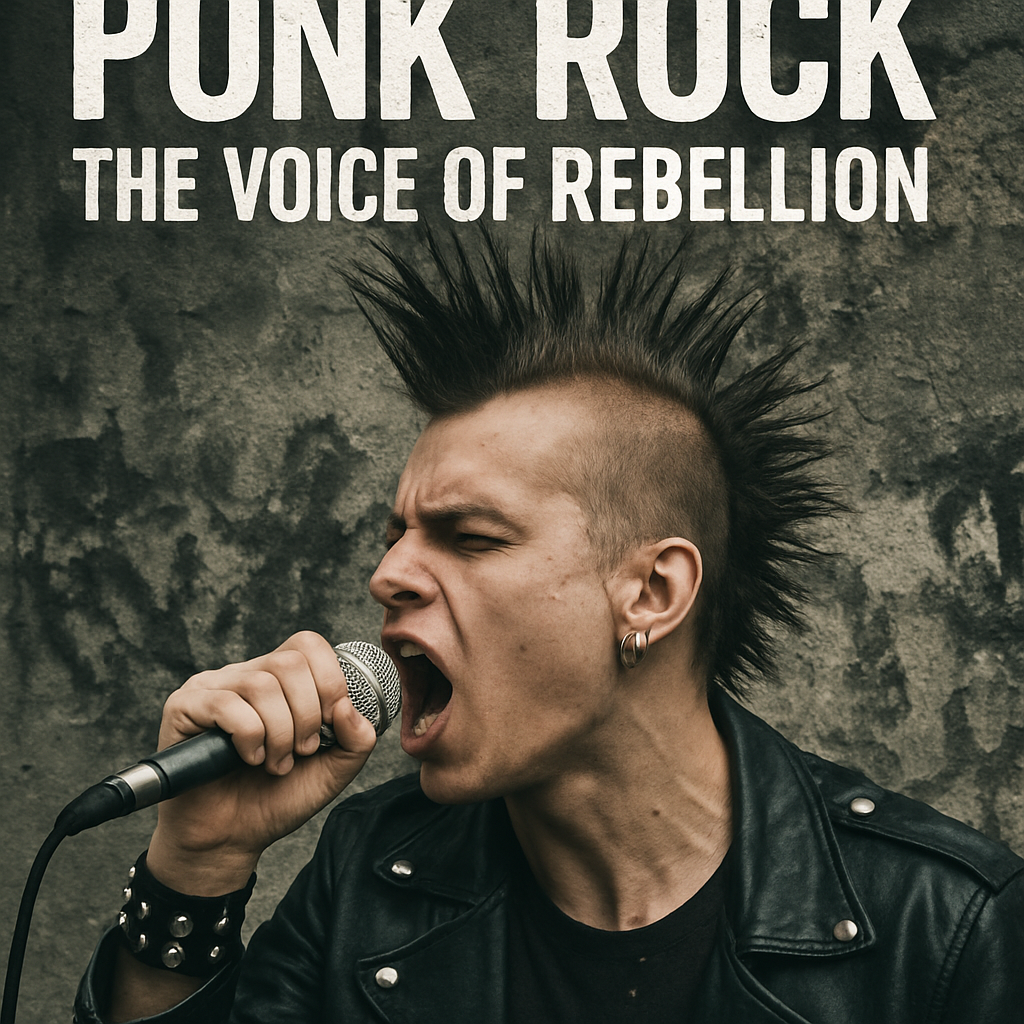
Punk Rock: The Voice of Rebellion
Punk rock emerged in the mid-1970s as a raw and energetic form of music that challenged the norms of the prevailing music scene. It was a reaction against the over-produced and commercial sounds of mainstream rock, and it quickly became the voice of a generation disillusioned with politics, society, and culture. With its fast tempos, simple chord progressions, and rebellious lyrics, punk rock captured the spirit of youth in a way that resonated deeply with fans around the world.
At its core, punk rock represents a rejection of authority and an embrace of individualism. Bands like the Ramones, Sex Pistols, and The Clash became icons, not just for their music, but for their defiance against societal expectations. Their songs often tackled issues such as war, unemployment, and inequality, serving as anthems for those who felt marginalized and unheard. The DIY ethic that characterized punk culture encouraged young people to express themselves creatively, regardless of their background or resources.
The punk scene was not just about the music; it was a lifestyle that influenced fashion, art, and attitudes. The distinctive punk aesthetic—characterized by leather jackets, ripped jeans, vibrant hair colors, and provocative imagery—was a visual statement against conformity. This rebellion extended beyond personal expression, as punk rock also fostered a sense of community among fans, offering a space where they could gather, share ideas, and support one another.
Throughout the decades, punk rock has evolved, spawning numerous subgenres such as hardcore punk, pop-punk, and ska-punk. Each of these movements retained the foundational elements of punk while simultaneously exploring new sounds and themes. Bands like Green Day and Blink-182 brought punk rock into the mainstream in the 1990s, introducing a new generation to the genre while still embracing its rebellious roots.
Moreover, punk rock has always been a platform for activism. Bands and artists have used their music to promote various causes, from environmental issues to social justice. The genre continues to inspire movements and provide a voice for those who feel disenfranchised, reminding us that music can be a powerful tool for change.
In conclusion, punk rock remains a vital and influential genre that symbolizes rebellion and individual freedom. Its legacy is a testament to the power of music as a medium for protest and expression. As long as there are voices yearning for change, punk rock will continue to thrive, echoing the sentiments of those who refuse to be silenced.