The Birth of British Rock: A Revolution in Sound
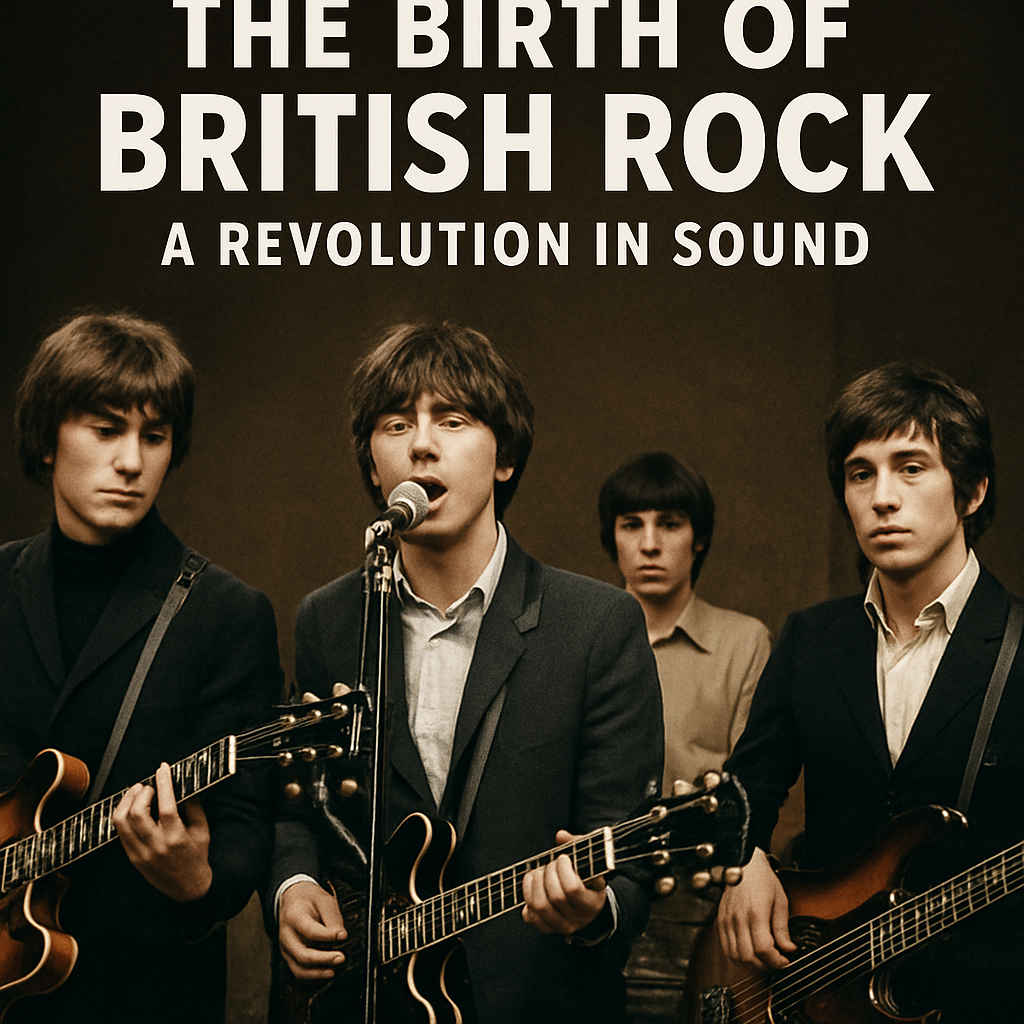
The Birth of British Rock: A Revolution in Sound
The 1960s marked a pivotal moment in the history of music, especially with the emergence of British rock. This genre not only transformed the musical landscape but also established a cultural phenomenon that influenced generations. The roots of British rock can be traced back to a fusion of various musical styles, including blues, rhythm and blues, and early rock 'n' roll, adapting them in innovative ways that resonated with youth culture.
One of the key players in the birth of British rock was the legendary band, The Beatles. Formed in Liverpool in 1960, they brought a fresh sound and approach to music that captured the hearts of millions. Their experimentation with songwriting, harmonies, and recording techniques set a new standard for artists both in the UK and around the world. With hits like "I Want to Hold Your Hand" and "A Hard Day's Night," The Beatles not only dominated the charts but also laid the groundwork for future rock musicians.
Following closely behind were bands like The Rolling Stones, whose raw energy and rebellious attitude contrasted sharply with The Beatles' polished pop sound. The Stones embraced the gritty essence of blues, infusing it with a rock-oriented approach that appealed to a more rebellious youth. Songs like "(I Can't Get No) Satisfaction" exemplified their style, capturing the angst and defiance of the era.
The British Invasion, which saw bands from the UK conquer the American music scene, was a hallmark of this revolution in sound. With performances on popular television shows like "The Ed Sullivan Show," British rock bands gained immense popularity, paving the way for a cultural exchange that would forever alter music. This period saw not only the rise of The Beatles and The Rolling Stones but also the emergence of other iconic bands such as The Who and The Kinks, each contributing their unique flair to the burgeoning genre.
The influence of British rock extended beyond music, shaping fashion, social attitudes, and even politics. The genre became synonymous with youth rebellion and freedom of expression, providing a voice for a generation eager to break away from the constraints of the past. This cultural shift was vividly illustrated through the vibrant fashion trends of the time, with colorful clothing, long hair, and a distinctive style that embodied the spirit of rock 'n' roll.
As the 60s progressed, British rock continued to evolve, giving rise to subgenres such as psychedelia and progressive rock. Bands like Pink Floyd and The Doors experimented with soundscapes, exploring themes of transcendence and consciousness. This evolution further showcased the versatility of British rock, solidifying its place in the annals of music history.
Today, the legacy of British rock endures, influencing countless artists and genres across the globe. From its humble beginnings in the 1960s to its status as a cultural cornerstone, British rock revolutionized sound and laid the foundation for modern music. As we look back at this incredible era, it is clear that the birth of British rock was not just about sound; it was a movement that encapsulated the spirit of a generation, forever changing the way we experience music.